

“If loving you is wrong, I don’t want to be right…” (Luther Ingram, 1972)
In this hit song, Luther gave voice to a whole generation—the Baby Boomers—rebelling against moral certainty and established cultural norms. The song was less about the forbidden love between a married man and another woman and more about claiming the authority to feel, to rebel, and to challenge assumed social obligations.
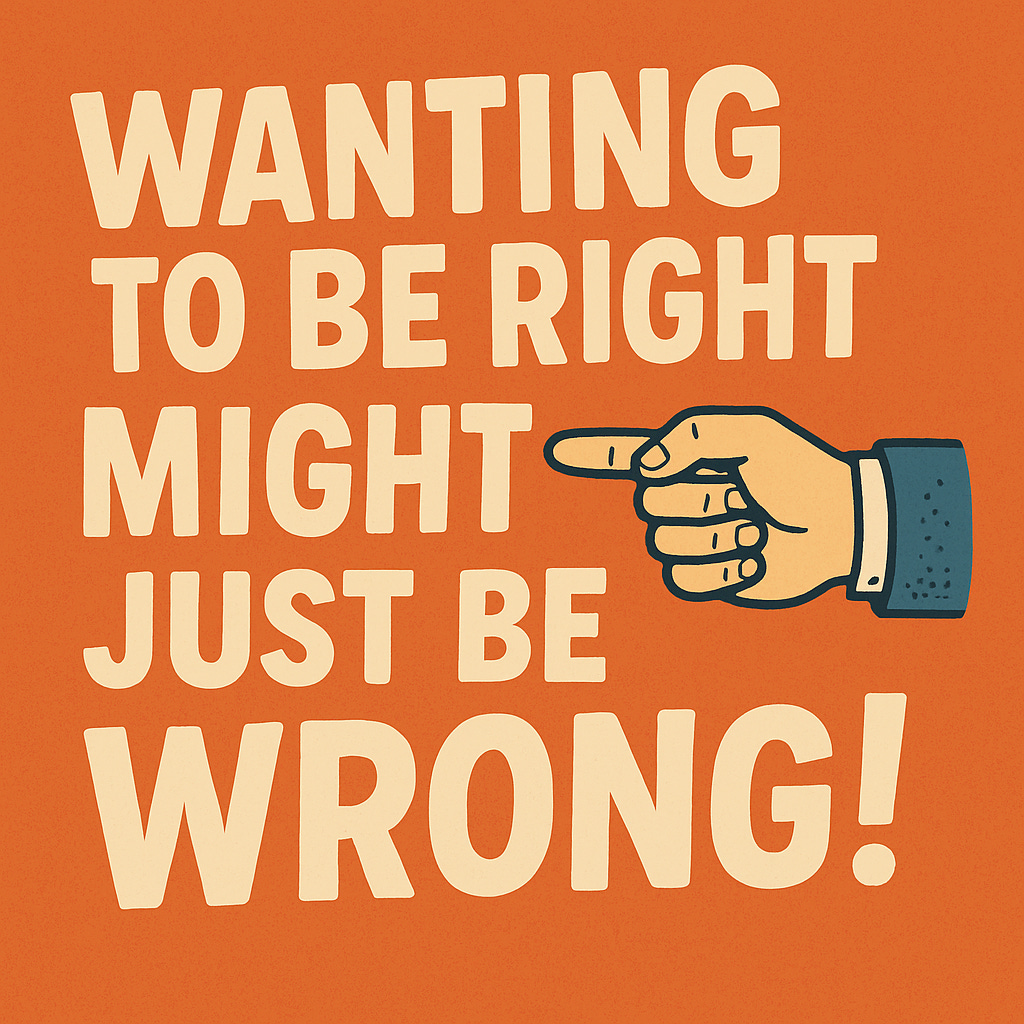
That was fifty-three years ago. Fast forward to today, and we face a new kind of social contagion, not one of being liberated from inherited constraints, but of the need to be right: “Be on my side, I’ll be on your side. Be on their side, and you’ll never be on my side,” so claims the 2025 “outrage generation.”
It’s not about being kind and compassionate. No. It’s about being right, at any cost.
The Baby Boomers’ rebellious current of uncertainty and questioning spread through protest marches, music, fashion, and film. The polarization embodied in the outrage generation spreads through social media platforms and digital systems that feed their biases.
Social performance and public theater are automatically deemed acts of righteousness and moral virtue, without the need for self-reflection. I address this phenomenon in two essays posted on my everydayspiritualhealth.com website: “Social Media and Cotton Candy,” Parts I and II.
I’ve witnessed firsthand how this polarization plays out among friends and colleagues who take their religious faith seriously.
People who once prayed together, laughed together, and wept together now look upon one another as mortal enemies. Former friends no longer speak, or politely pretend all is okay. Others condemn those who refuse to “take a side,” equating neutrality with cowardice or betrayal of conviction. Even family members of the same faith for decades now point fingers at one another for “being on the wrong side.”
Whether it’s politics, religion, or golf, when the need to be right overrules the need to be kind and compassionate, we’ve lost sight of what it means to connect.
The Baby Boomers’ contagion was the call to unrestrained freedom. The outrage generation might well be suffering from the fever of certainty, what one former Catholic teacher at seminary used to call “the church’s lust for certitude.”
When will we be able to grow beyond our own limited circle of certainty?
excellent points